

-
-
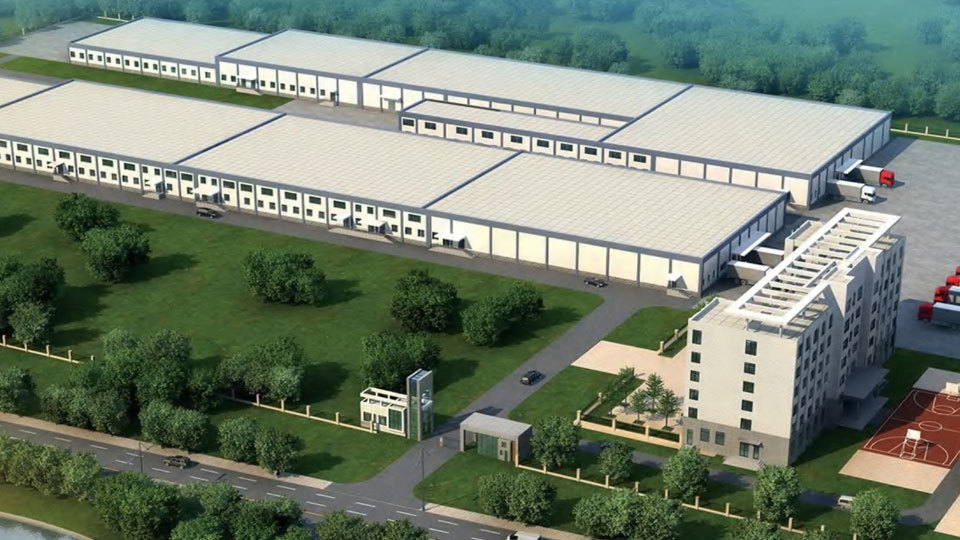
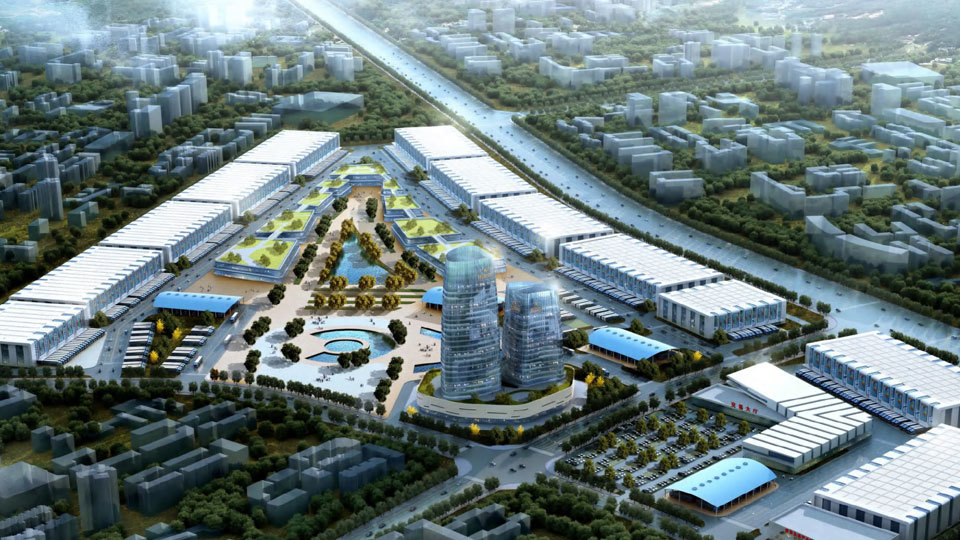
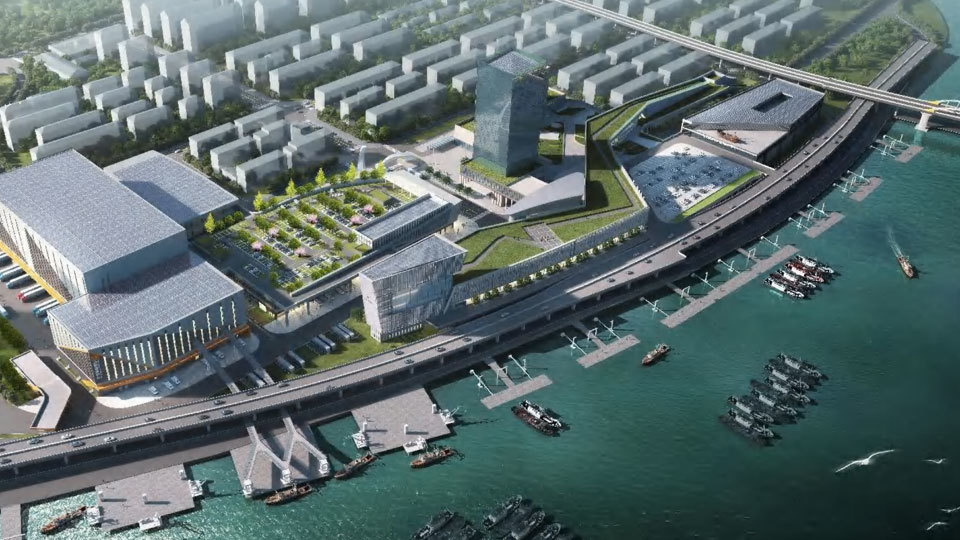
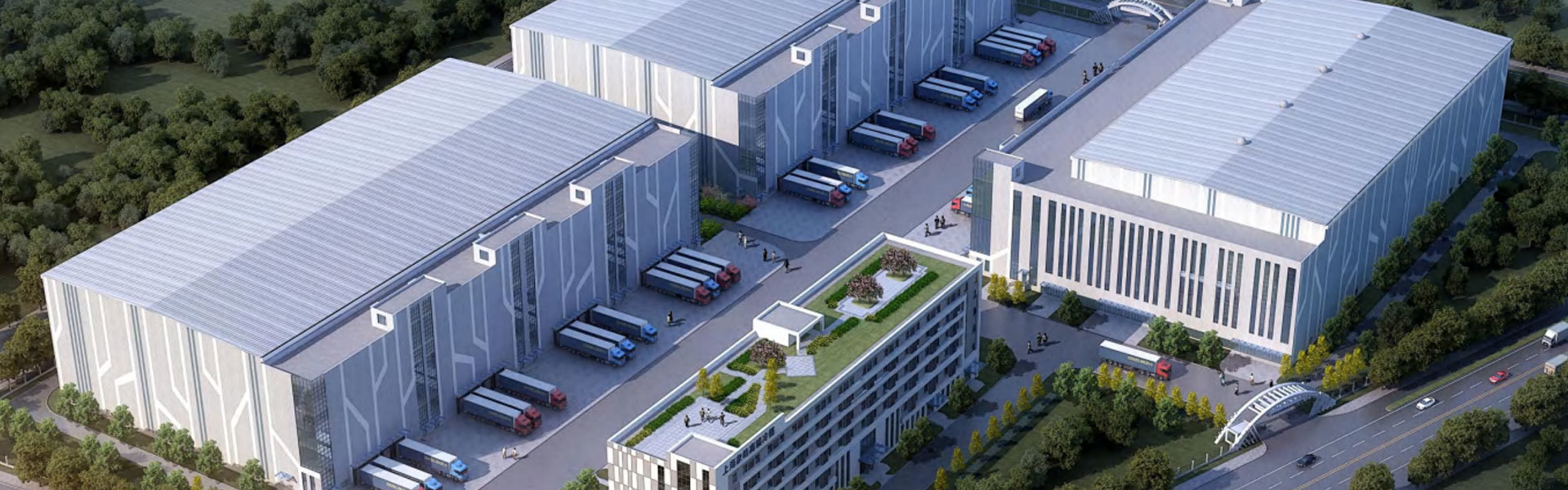
CaseWe provide one-stop professional services including project consulting, planning, technology, architecture, structure, refrigeration, HVAC, electrical, water supply and drainage, thermal power, and cost estimation to help customers achieve seamless integration of all project disciplines.
-
News Center
Spotlight on LSBL for the latest project updates
Characteristics of Eco-friendly Zero Energy Building Design
In recent years, China's construction industry has developed rapidly, but it is mainly characterized by extensive growth in the number of buildings. The resource consumption issues during the construction and use processes are serious, facing challenges brought by advocating low carbon, environmental protection, and energy saving for sustainable development of buildings.
In fact, "green buildings" have existed in China since ancient times. Ancient Chinese literature records: "In ancient times, there were few people and many beasts; people could not withstand the beasts, insects, and snakes. A sage made nests from wood to avoid harm from the group," where the "nests" mentioned are the earliest green buildings. Our ancestors used local materials and made full use of natural conditions without causing significant impact on the surrounding environment. Entering the 21st century, the technology of green buildings in China has become increasingly mature, with many green demonstration projects emerging. When designing building plans, many modern advanced technologies are adopted in conjunction with the building's appearance design, such as solar photovoltaic technology, breathable wall technology, passive solar heating technology, clear concrete construction technology, underground soil cooling, and green plant cooling, thus enabling buildings to achieve green environmental protection, energy saving, and zero energy consumption.
The key point of green buildings is to provide people with a comfortable and healthy living and working environment, save resources, protect the environment, and achieve harmonious coexistence between buildings, people, and nature. The design characteristics of green buildings mainly include the following aspects:
1. People-oriented
This is the basic principle of green building design; it should not come at the expense of people's health and quality of life in pursuit of energy saving and environmental protection.
2. Energy saving
Utilize renewable natural resources, such as solar energy, wind energy, and geothermal energy, to reduce energy consumption in buildings. At the same time, choose renewable and biodegradable building materials, such as bamboo materials, as much as possible. In addition, strict quality control of building materials is necessary to ensure that the materials used are pollution-free and radiation-free. In green building design, it is essential to combine with reality and not sacrifice economic benefits to ensure "greenness."
3. Return to nature
In green building design, it is essential to fully consider the surrounding environment and achieve harmony as much as possible to protect the ecological environment. Depending on the actual situation, renewable energy provided by the environment can be utilized, and the water bodies and vegetation around the building can be used to regulate the microclimate, thereby improving the thermal environment.
4. Harmony as the main principle, overall design
As a result of human behavior, the entire life cycle of building construction, use, and demolition has an impact on the environment. Therefore, focusing on its life cycle can not only provide people with a healthy and comfortable living space but also minimize the environmental impact after demolition, with demolition materials being further recycled. At the same time, green building design should emphasize the concept of overall design, comprehensively considering economic, cultural, climate, and other factors to form a perfect organic system with the surrounding environment. For example, in cold regions, if the thermal insulation performance of windows is poor, even expensive wall insulation materials will not achieve energy-saving effects.
In today's architectural design, it is necessary to integrate energy and resource conservation, effectively increasing the utilization of resources and energy, applying more new materials, new technologies, and new architectural design methods, and achieving a true ecological green zero-energy building through the harmonious combination of natural landscapes and the building itself.
Latest developments


Address: 12th Floor, Building 1, Longao Jinza, 8000 Jingshi Road, High-tech Zone, Jinan City
Project Department: 0531-88875937
Marketing Department:

Prefabricated Food Cold Chain Lecture Hall

Official WeChat